
Why Luwak Coffee Is One of Bali’s Must-Try Experiences
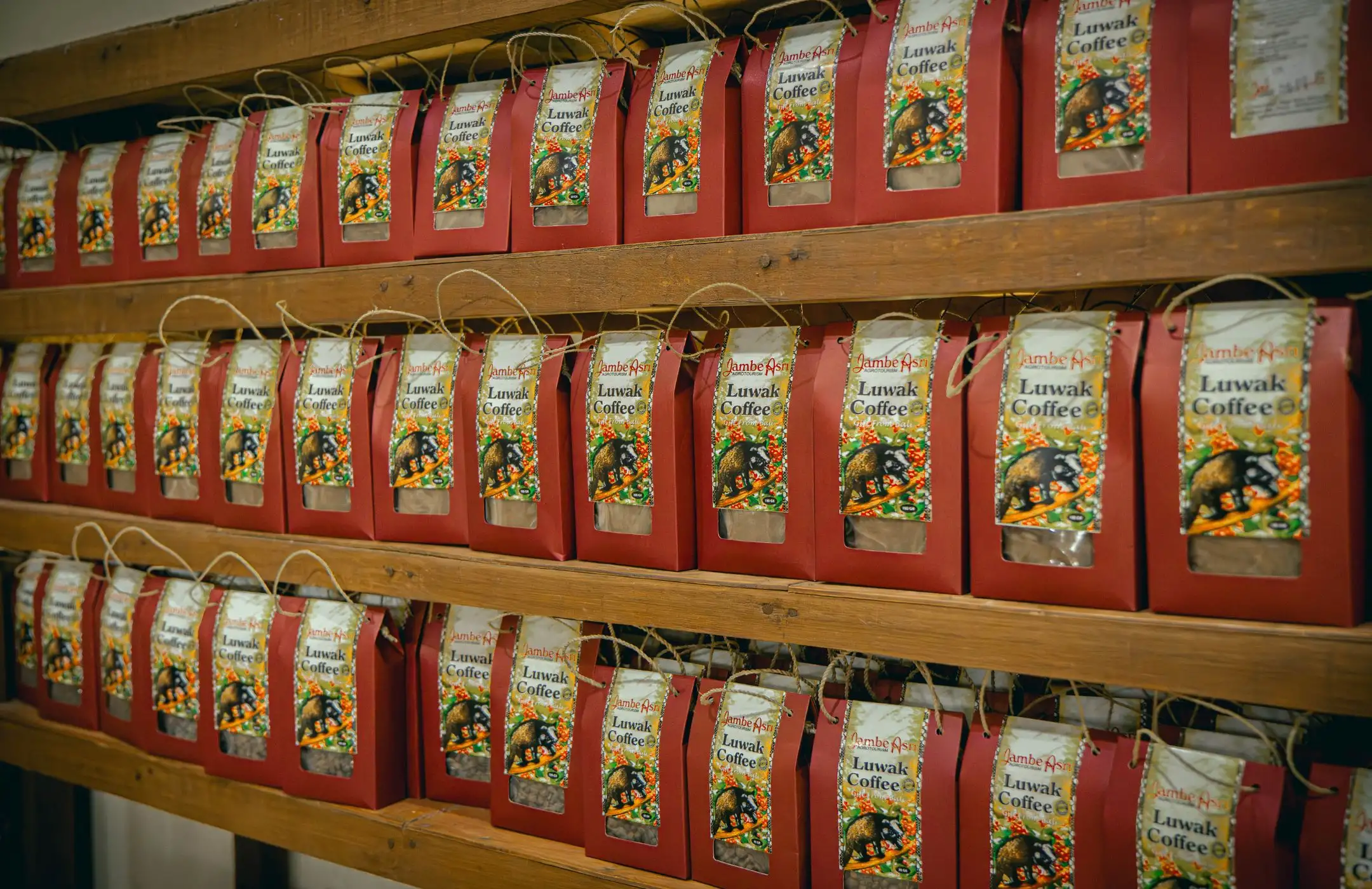
Bali offers many experiences that travelers already recognize. Beaches, temples, waterfalls, rice terraces, traditional performances, and sunset destinations often become the first items added to a holiday plan.
Yet Bali is also known for local agriculture, tropical plantations, traditional preparation methods, and products connected to the island’s natural environment.
This is where luwak coffee becomes an interesting addition to a Bali itinerary.
Trying luwak coffee Bali is known for is not only about exploring a famous local flavor. The complete experience can include learning how the coffee is prepared, meeting the luwak, joining a guided tasting session, spending time in a tropical plantation, and finding local products to bring home.
At Jambe Asri Agrotourism, these elements are brought together in one destination. Visitors can follow the luwak coffee journey in a clear and relaxed way while discovering another side of Bali tourism.
Here are the main reasons luwak coffee deserves a place on your Bali travel plan.
Luwak Coffee Has a Distinctive Story
The story behind luwak coffee is what first attracts many travelers.
Unlike regular coffee preparation, the process involves the luwak, an animal found in parts of Southeast Asia. The luwak selects ripe coffee cherries and eats the fruit. The outer fruit is broken down during digestion, while the coffee beans pass through the animal.
The beans are later collected and continue through several preparation stages before they are ready for tasting.
This distinctive process has made luwak coffee widely recognized among international visitors. It creates curiosity because the experience is connected to an animal, a natural process, and traditional coffee preparation.
However, understanding the story directly at a plantation gives the experience far more value than simply recognizing the name.
At Jambe Asri, visitors can learn how the luwak fits into the process and why each preparation stage matters. The explanation is kept approachable, making it suitable for first-time travelers who may not have detailed coffee knowledge.
This turns luwak coffee from a famous product into a meaningful local experience Bali visitors can understand.
The Coffee Process Adds Educational Value
A must-try Bali experience should offer something beyond a quick photo or short stop.
Learning the luwak coffee process gives visitors new information they can carry with them after the holiday.
The journey begins with coffee cherries and the role of the luwak. The beans then continue through cleaning, drying, sorting, roasting, and final preparation before reaching the guided tasting session.
Each stage helps explain why the final coffee requires time and careful handling.
Visitors do not need to learn complicated terminology. The purpose is to follow the main journey and understand how one stage connects to the next.
This educational side makes the experience suitable for different types of travelers.
Coffee enthusiasts can focus on preparation and roasting. Couples can explore the process together. Families can include a light educational activity in their Bali itinerary. Solo travelers can ask questions and gain a better understanding of local coffee traditions.
Learning directly at Jambe Asri also adds context to the tasting session. Instead of exploring flavors without background information, visitors already know what happened earlier in the process.
That context makes the entire Bali coffee experience feel more complete.
Meeting the Luwak Connects the Story
Meeting the luwak is one of the moments many first-time visitors remember.
After learning about the process, the encounter helps connect the explanation with the animal involved. The story is no longer limited to information on a label or a short description in a travel guide.
Visitors can understand why the luwak is closely connected to this particular coffee journey.
The encounter should always be approached respectfully. Guests can focus on learning about the animal’s role and follow the guidance provided at the destination.
Jambe Asri also has an owl encounter as a supporting attraction. It adds another visual moment to the visit while the luwak coffee experience remains the main focus.
For families, couples, and small groups, the animal encounters create variety within the same destination. The visit can move naturally from learning the coffee process to meeting the luwak, joining the tasting, and exploring the plantation area.
This sequence keeps the experience interesting without making it feel disconnected.
Guided Tasting Helps Visitors Explore Local Flavors
The guided tasting session is where the earlier parts of the journey come together.
By this stage, visitors have learned about the coffee cherries, the luwak, and the main preparation process. They can now connect that knowledge with aroma, strength, body, and flavor.
A guided coffee tasting Bali experience is also approachable for travelers who are not coffee experts.
There is no requirement to use professional tasting terms or identify every characteristic. Guests can simply explore the selections, compare preferences, and discover what they enjoy.
Some options may feel stronger or earthier. Others may feel smoother, lighter, sweeter, or more aromatic. Each traveler may prefer something different.
This personal element makes the session more interactive.
Couples can compare their choices. Families and groups can discuss which flavors stand out. Solo visitors can ask questions about the local selections and preparation methods.
The guided format adds direction without making the experience feel formal.
It also helps visitors make more informed choices later at the local shop. After exploring different flavors, guests may already know which coffee, herbal tea, or local product matches their preference.
Plantation Vibes Create a Slower Travel Moment
A Bali holiday can become very busy.
Travelers may move between beaches, temples, waterfalls, restaurants, and popular photo destinations in a single day. While this can be exciting, a full schedule may leave little time to slow down.
The plantation atmosphere at Jambe Asri offers a different pace.
Tropical greenery, coffee-related details, natural textures, and open surroundings help create a calm environment for the visitor journey.
The plantation is not only a background. It supports the coffee story and makes the experience feel connected to nature.
Visitors can walk through the area, learn the process, enjoy the guided tasting, and spend time exploring without choosing a physically demanding activity.
This makes Jambe Asri practical for travelers looking to balance a busy itinerary.
It can become a relaxed stop between larger destinations or part of a day focused on local culture and nature. Couples, families, solo travelers, and small groups can all enjoy the experience at a comfortable pace.
For travelers creating holiday content, the plantation also offers natural visual moments. Coffee preparation, greenery, visitor interactions, animal encounters, and product details can all become part of a travel reel or photo collection.
The Bali Swing Adds a Fun Supporting Experience
The Bali swing at Jambe Asri adds another activity to the visit.
After learning the coffee process, meeting the luwak, and joining the tasting session, visitors can capture a playful moment surrounded by plantation scenery.
The swing is not the core reason to visit. It supports the complete luwak coffee journey and adds visual variety.
This makes it useful for travelers who want a swing experience without building an entire day around a separate swing attraction.
Couples can capture a holiday photo, families can enjoy a lighter activity, and content creators can add movement to their travel footage.
Because the swing is part of a wider experience, it feels connected to the destination rather than placed there without context.
Visitors can explore coffee, nature, animals, local flavors, and a photo-friendly activity in one stop.
The Local Shop Extends the Experience
The local shop becomes the final part of the Jambe Asri journey.
After learning about the process and joining the guided tasting, visitors can explore products such as local coffee, herbal tea, spices, aromatherapy, and Bali souvenirs.
This creates a natural ending to the visit.
Guests are not choosing products without context. They already understand more about the coffee process and may have identified flavors they enjoyed during the tasting.
Coffee can become a reminder of the guided session. Herbal tea or spices may work as practical gifts. Aromatherapy and souvenirs can help bring a small part of the travel experience home.
Shopping at the end also allows the experience to continue beyond the plantation.
Instead of purchasing a random souvenir, travelers can choose something connected to a destination they explored and a local process they learned.
Luwak Coffee Adds Variety to a Bali Itinerary
One of the strongest reasons to include luwak coffee in your Bali itinerary is variety.
A balanced holiday should offer more than one type of experience.
Beaches provide relaxation. Temples introduce culture and sacred heritage. Waterfalls and rice terraces connect travelers with nature. A coffee plantation introduces local agriculture, preparation, tasting, and products.
Jambe Asri combines several light activities in one location:
- Learning the luwak coffee process
- Meeting the luwak
- Joining a guided tasting
- Exploring the plantation atmosphere
- Meeting the owl
- Trying the Bali swing
- Browsing the local shop
This combination makes the destination useful for first-time visitors, coffee lovers, couples, families, solo travelers, and small groups.
It is educational without becoming too technical, relaxed without feeling empty, and visual without becoming only a photo destination.
Add a Local Coffee Experience to Your Bali Trip
Luwak coffee remains one of Bali’s must-try experiences because it connects a distinctive process with local flavors, nature, animals, and plantation culture.
The real value comes from following the journey rather than focusing only on the final tasting.
At Jambe Asri Agrotourism, visitors can learn how luwak coffee is prepared, meet the luwak, join a guided tasting session, enjoy the plantation atmosphere, try the swing, and explore local products in one destination.
Add this local experience to your Bali itinerary and plan your visit at www.jambeasriagrotourism.com


