
The Story Behind Bali’s Famous Luwak Coffee

Luwak coffee is one of the local coffee experiences many travelers hear about before or during a Bali holiday.
The name is familiar. The process sounds unusual. And for first-time visitors, that curiosity often leads to one simple question:
What actually makes Bali luwak coffee so famous?
The answer is not only found in the final tasting.
Its popularity is strongly connected to the distinctive role of the luwak, the preparation journey behind the coffee, and the way plantation experiences allow travelers to understand that story directly.
At Jambe Asri Agrotourism, visitors can explore this coffee story step by step. The journey includes learning the process, meeting the luwak, joining a guided tasting, enjoying the natural plantation atmosphere, and exploring local products at the end of the visit.
Here is a simple look at the story behind one of the most recognized coffee experiences in Bali.
Why Luwak Coffee Became So Recognizable to Bali Travelers

Many products compete for attention in a Bali itinerary.
Local food, traditional crafts, tropical fruits, spices, and coffee can all become part of the travel experience.
Luwak coffee stands out because its preparation story is immediately different from regular coffee.
The process involves the luwak, an animal directly connected to the coffee cherries before the beans continue through later preparation stages.
That unusual connection naturally creates curiosity.
Travelers want to understand what the luwak does.
They want to know what happens afterward.
They want to explore how the beans are prepared before tasting.
This curiosity has helped make famous coffee Bali experiences easy for international travelers to recognize.
Bali’s popularity as a travel destination has also made plantation visits a practical addition to many itineraries. Instead of only hearing about luwak coffee, travelers can experience the process in a destination built around coffee, nature, and local products.
The combination of an unusual process and an accessible travel experience is a major reason luwak coffee continues to attract visitor attention.
The Story Begins With Coffee Cherries

Before roasting, grinding, or tasting, the journey begins with coffee cherries.
These are the fruits that contain the coffee beans.
For first-time travelers, this is an important part of the story because coffee does not begin in the form most people recognize.
The cherries grow first.
Then the luwak becomes part of the distinctive process.
Learning about this stage gives visitors a clearer understanding of how local coffee Bali moves from the plantation toward later preparation.
At Jambe Asri, the goal is not to make the experience overly technical.
Visitors can follow the main process in a simple sequence and understand how each stage connects to the next.
This makes the coffee story easier to remember and gives more meaning to the tasting that comes later.
The Luwak Makes the Process Different
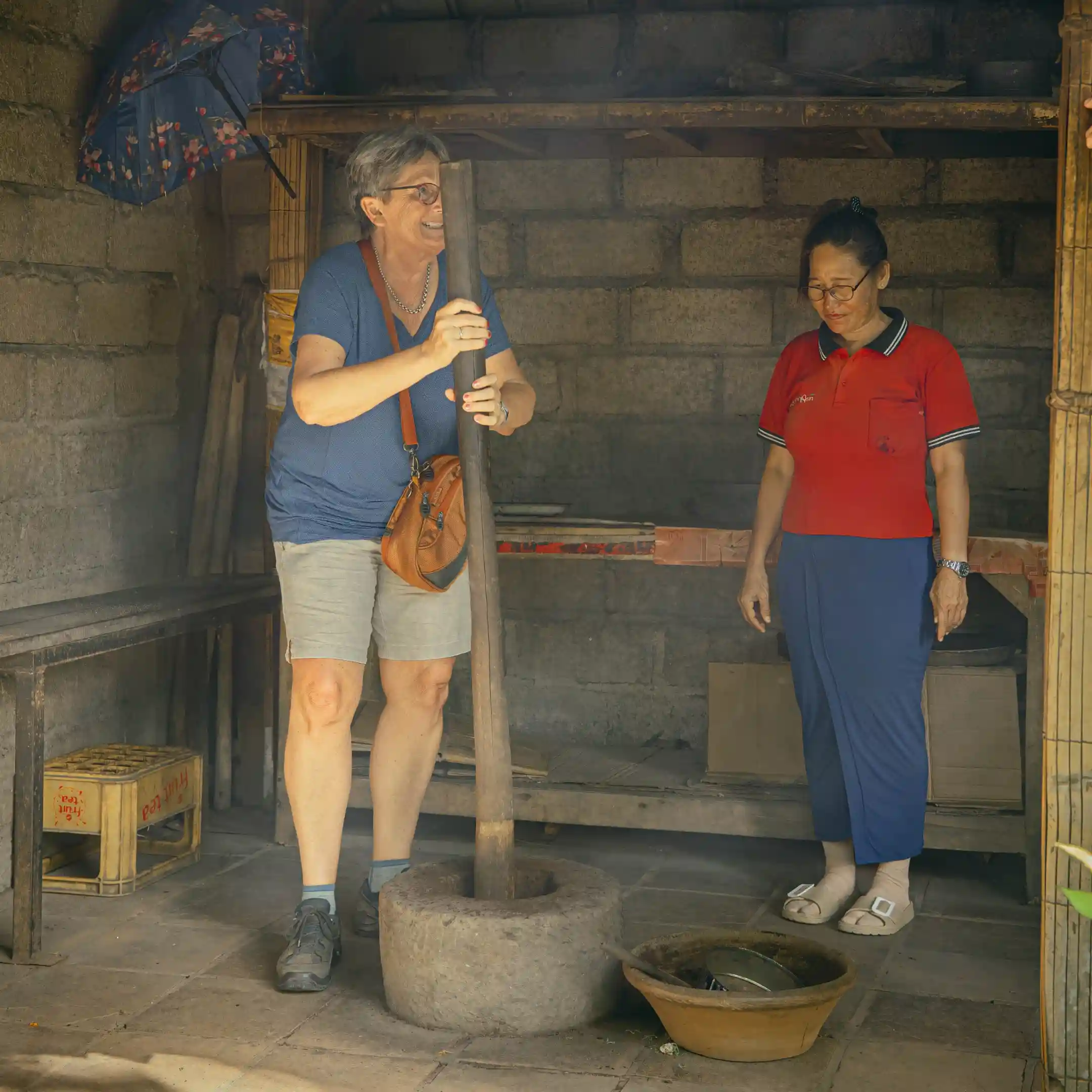
The luwak is the central reason this coffee journey attracts so much attention.
The animal selects and eats ripe coffee cherries. The outer fruit is broken down during digestion, while the coffee beans later pass through the animal.
Those beans are then collected and continue through careful preparation.
This stage creates the most recognizable difference between luwak coffee and regular coffee processing.
However, the story does not end with the luwak.
That is an important point for travelers to understand.
The beans still need to continue through several stages before they are ready for a coffee tasting experience.
The luwak gives the process its distinctive beginning.
Everything that follows helps prepare the coffee for the final tasting.
Cleaning Is an Important Part of the Journey
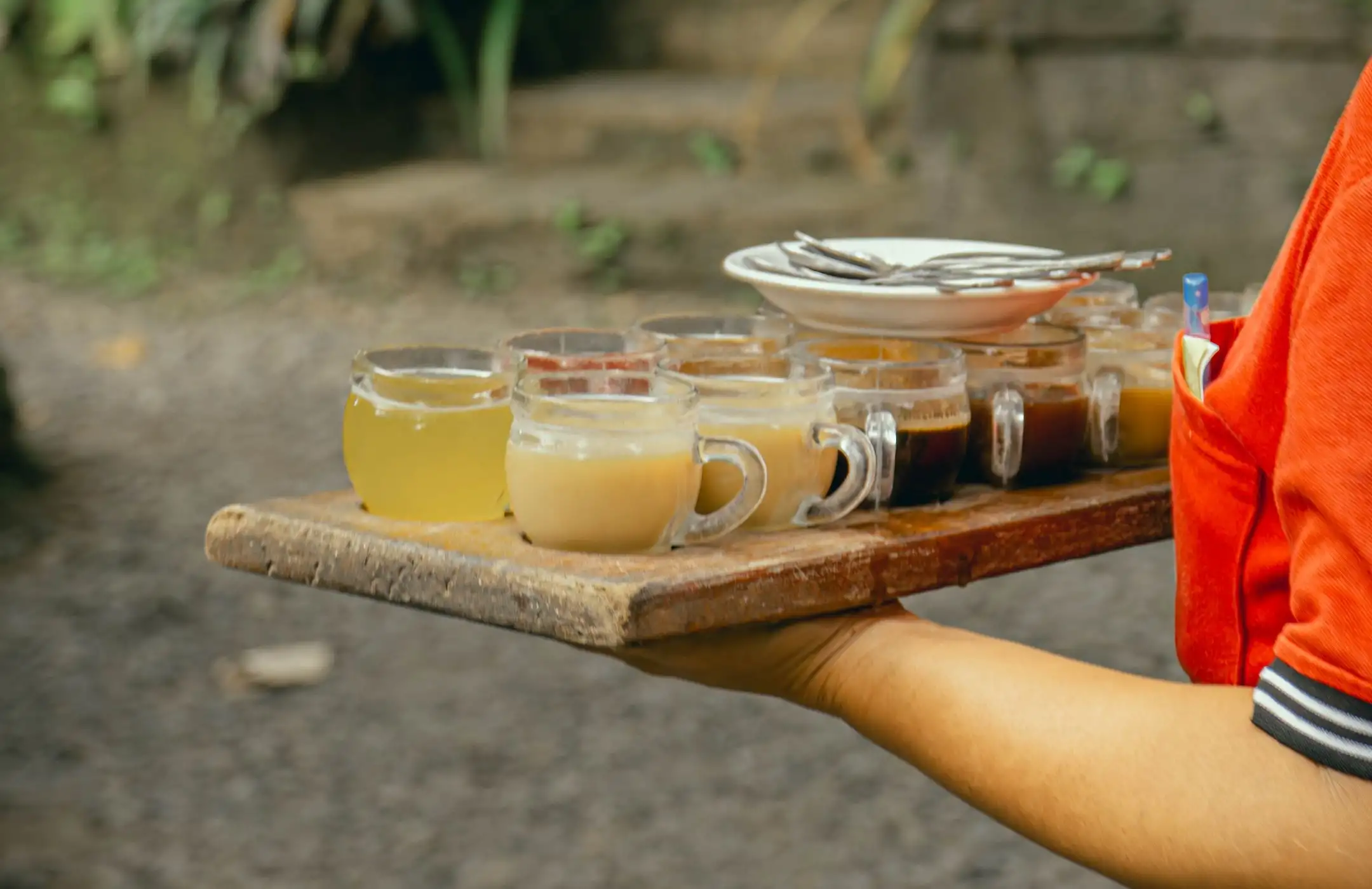
After collection, the beans require careful cleaning.
This stage is essential before the coffee can move forward.
For many first-time visitors, learning this helps make the process more realistic.
The story of luwak coffee is sometimes reduced to one unusual fact about the animal, but the full preparation journey involves several additional steps.
Cleaning is one of them.
At Jambe Asri Agrotourism, visitors can learn how this stage connects with what comes next without needing to understand complex processing terminology.
The value is in seeing the sequence clearly.
Drying and Sorting Continue the Preparation
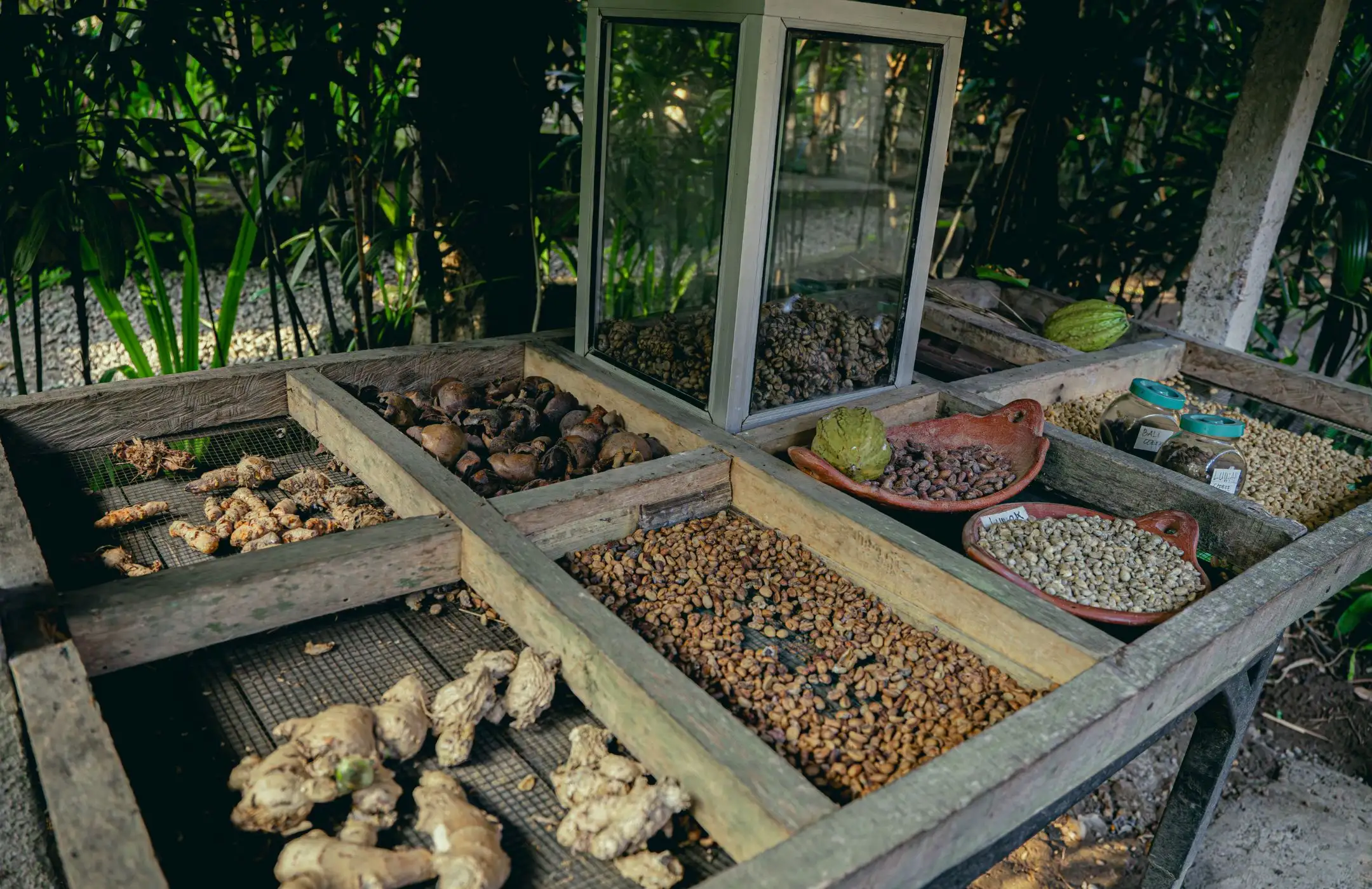
After cleaning, the beans continue through drying.
This helps prepare them for later stages.
Sorting then helps prepare the coffee before roasting.
These steps may sound less dramatic than the luwak encounter, but they are still part of what makes the final tasting possible.
For travelers interested in the Bali coffee tradition and plantation experience, these details add depth.
Coffee does not move instantly from the luwak to the tasting table.
There is a preparation journey between those moments.
Understanding that journey helps visitors appreciate the experience as a complete process rather than only an unusual story.
Roasting Brings the Coffee Closer to Tasting
Roasting is one of the stages most coffee lovers already recognize.
This is where the beans begin developing characteristics that later become part of aroma and flavor.
The final result can be influenced by several factors, including the coffee itself, preparation, roasting, and personal preference.
This is why responsible luwak coffee storytelling should avoid claiming that every visitor will experience one guaranteed flavor.
The distinctive process creates the story.
The final character can still vary.
For curious travelers, this makes the guided tasting more interesting.
Instead of expecting one specific result, guests can focus on exploring what they personally notice and enjoy.
Meeting the Luwak Connects the Story With the Experience

Learning about the process is one thing.
Meeting the luwak gives visitors another way to understand the story.
At Jambe Asri, the luwak encounter is directly connected to the central coffee journey.
Visitors can connect the animal they meet with the process they have just learned.
This helps the experience feel more tangible.
The luwak is not simply an additional attraction placed beside a coffee tasting.
It is part of the reason the coffee has its distinctive identity.
Visitors should approach the encounter respectfully and follow the guidance available at the destination.
Jambe Asri also includes an owl encounter as a supporting experience.
The owl adds another memorable moment during the visit, while the luwak remains the animal directly connected to the coffee story.
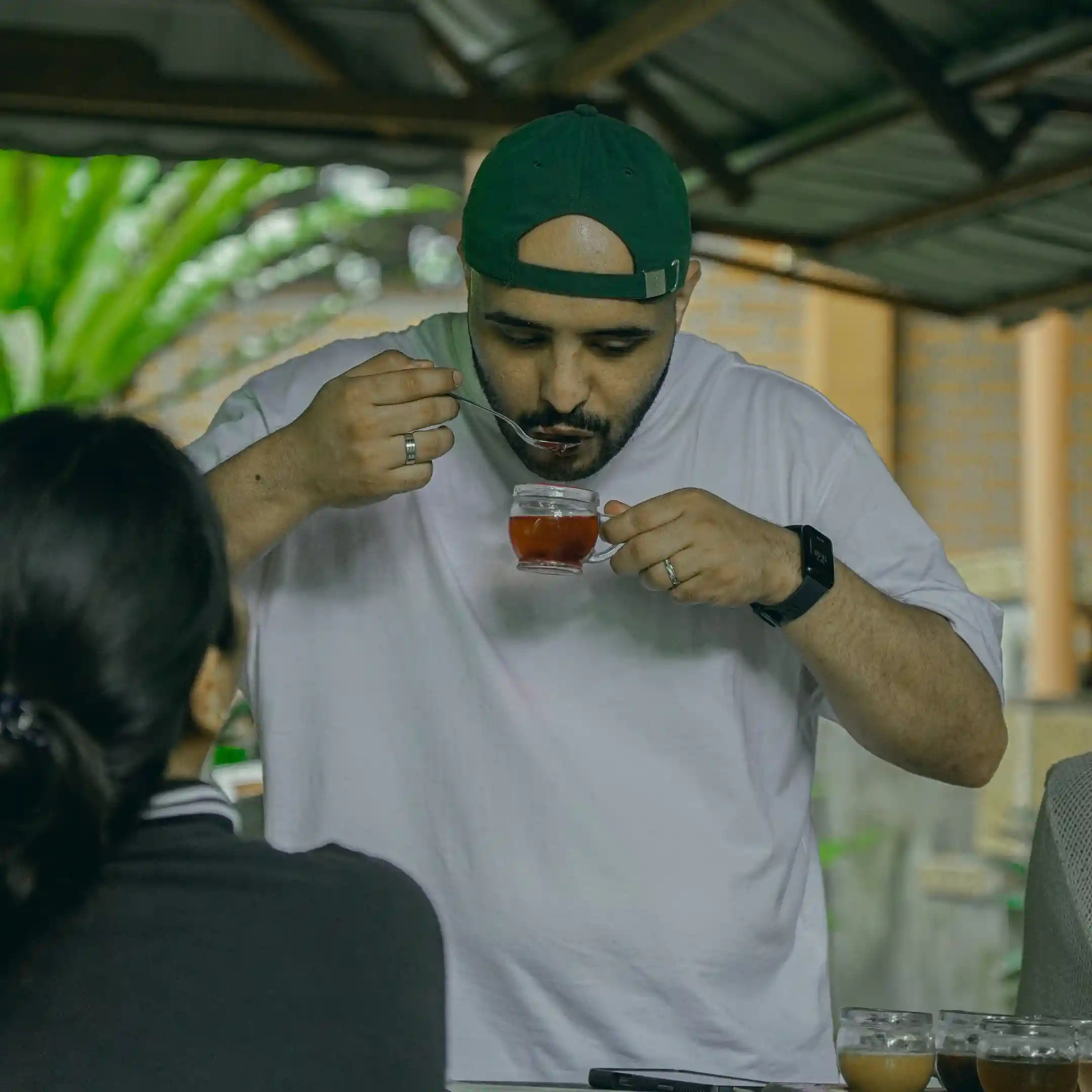
Guided Tasting Completes the Learning Journey

The tasting session becomes much more interesting after visitors understand what came before it.
By this stage, guests have already learned about coffee cherries, the luwak, cleaning, drying, sorting, roasting, and preparation.
Now they can connect that knowledge with flavor.
The guided format helps make the luwak coffee experience easy for first-time visitors.
There is no need for professional tasting vocabulary.
Guests can simply focus on aroma, strength, body, and personal preference.
Some selections may feel stronger.
Others may feel smoother, lighter, earthier, sweeter, or more aromatic.
Different travelers may choose different favorites.
That is part of the experience.
The purpose is not to prove that one coffee must be better than another.
It is to understand the process and explore the final result with more context.
Why the Plantation Setting Matters
A coffee story can be explained anywhere, but experiencing it inside a plantation adds another layer.
At Jambe Asri, tropical greenery and natural surroundings support the coffee journey.
Visitors can connect what they are learning with a real agrotourism setting rather than encountering coffee only as a finished product.
This creates a different type of Bali experience.
The island may be best known internationally for beaches, temples, waterfalls, and rice terraces, but coffee plantations and local products can also become part of a travel itinerary.
For travelers looking for something beyond mainstream attractions, the plantation offers a calmer and more educational stop.
It also gives the entire luwak coffee story a stronger sense of place.
Local Products Extend the Coffee Story
The experience does not need to end after tasting.
At the local shop, visitors can explore products such as local coffee, herbal tea, spices, aromatherapy, and Bali souvenirs.
This creates a natural final stage.
Guests have already learned about the process.
They have explored local flavors.
Now they can browse products with more context.
For coffee lovers, that may mean finding something connected to the tasting.
For other travelers, herbal tea, spices, aromatherapy, or souvenirs may be more interesting.
The local shop allows the experience to continue beyond the plantation itself.
About Jambe Asri Agrotourism
Jambe Asri Agrotourism is a Bali agrotourism destination focused on creating a complete and approachable luwak coffee experience for travelers.
The destination is built around one clear core: helping visitors understand the luwak coffee journey through process, learning, guided tasting, the luwak encounter, plantation atmosphere, and local products.
Rather than presenting coffee only as a finished item, Jambe Asri introduces guests to the story behind it.
A visit can begin inside the tropical plantation setting, where travelers become familiar with the natural environment surrounding the experience.
From there, guests can learn about coffee cherries and the role of the luwak before continuing through the main preparation stages.
The educational part is intentionally kept simple and tourism-friendly.
First-time visitors do not need specialist coffee knowledge.
Coffee enthusiasts can focus more deeply on the process, while casual travelers can still understand the main journey without feeling overwhelmed.
The luwak encounter then gives direct context to what guests have learned.
Visitors can connect the coffee story with the animal involved in the distinctive early stage of the process.
After that, the guided tasting allows travelers to explore local flavors with a clearer understanding of what happens beforehand.
This creates an experience that connects learning with personal preference.
Jambe Asri also offers several supporting visitor experiences.
An owl encounter adds another animal moment.
A Bali swing provides a photo opportunity surrounded by plantation greenery.
These attractions add variety for couples, families, groups, and content creators, but they remain supporting parts of the destination.
The main identity stays focused on the luwak coffee journey.
The local shop then completes the visit.
Travelers can explore local coffee, herbal tea, spices, aromatherapy, Bali souvenirs, and other local products after learning and tasting.
This gives the complete experience a clear flow:
Plantation Atmosphere → Coffee Process → Meet the Luwak → Guided Tasting → Supporting Experiences → Local Shop
The structure makes Jambe Asri suitable for international and domestic travelers, couples, families, solo visitors, small groups, coffee lovers, and tourists searching for a different addition to their Bali itinerary.
Its strongest value comes from how the different parts of the destination stay connected.
The plantation provides the environment.
The process provides the knowledge.
The luwak gives the coffee story its distinctive context.
The guided tasting connects that story with flavor.
The owl and swing provide supporting visitor moments.
The local shop extends the experience into products travelers can explore before leaving.
Together, these elements allow Jambe Asri to offer a complete luwak coffee experience without losing its clear positioning.
Experience the Story for Yourself
The story behind Bali’s famous luwak coffee is not only about one unusual stage.
It is a journey involving coffee cherries, the luwak, careful preparation, roasting, tasting, and the plantation setting that gives visitors context.
At Jambe Asri Agrotourism, travelers can learn that journey directly and continue the experience through guided tasting, animal encounters, plantation moments, and local products.
Discover the complete luwak coffee story at www.jambeasriagrotourism.com.


