
How Luwak Coffee Is Prepared at Jambe Asri Agrotourism
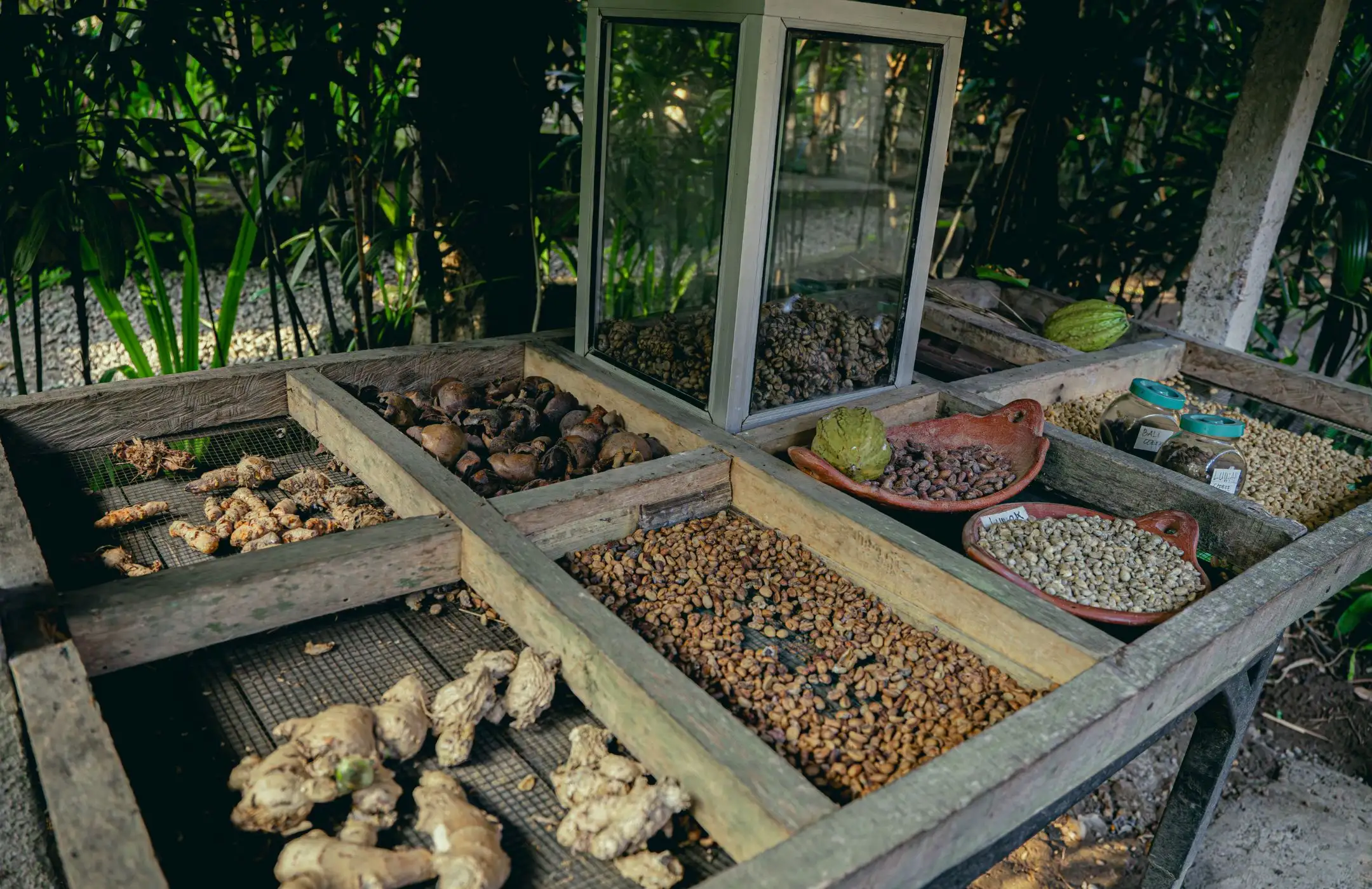
Luwak coffee is one of the most widely discussed local coffee experiences in Bali. Many travelers recognize the name, but not everyone understands what happens before the coffee reaches a guided tasting session.
The story becomes much clearer when you learn the process directly at a coffee plantation in Bali.
At Jambe Asri Agrotourism, visitors can explore the main stages of the luwak coffee process in a simple and approachable way. The visit connects the coffee cherries, the luwak, preparation methods, roasting, and tasting as one complete journey.
You do not need to be a coffee expert. The experience is designed to help travelers understand why luwak coffee is different and how each stage contributes to the final character.
Here is a simple look at how luwak coffee is prepared at Jambe Asri Agrotourism.
The Process Starts With Coffee Cherries
Every coffee journey begins with coffee cherries.
These small fruits grow on coffee plants and contain the beans that will later be cleaned, dried, roasted, and prepared. The condition of the cherries matters because the early stage influences everything that follows.
In the traditional story of luwak coffee, the luwak naturally chooses ripe coffee cherries. This selective behavior is one reason the process has become widely known among travelers interested in luwak coffee Bali experiences.
For first-time visitors, learning about the cherries helps build a clearer picture. Coffee does not begin as the dark roasted beans commonly displayed in shops. It begins as a fruit that must move through several preparation stages.
At Jambe Asri Agrotourism, this part of the Bali coffee process is introduced as the starting point of the journey. Visitors can learn how the coffee plant, cherries, and luwak are connected before moving into the next stage.
The Luwak Becomes Part of the Coffee Story
The luwak is the animal behind the distinctive process.
After selecting ripe cherries, the luwak eats the fruit. The outer part of the cherry is broken down during digestion, while the coffee beans pass through the animal.
This is the stage that makes luwak coffee different from regular coffee preparation. It is also the reason many travelers are curious about the process before joining a guided coffee tasting.
At Jambe Asri, visitors can meet the luwak as part of the wider destination experience. This encounter helps connect the animal with the explanation provided during the visit.
Instead of only hearing the name “luwak coffee,” travelers gain a better understanding of the role the animal has within the traditional process.
The explanation remains light and easy to follow. Guests can focus on the main story without needing to study complex coffee terminology.
Jambe Asri also has an owl encounter as an additional attraction. However, the luwak remains the animal most closely connected to the core coffee journey.
The Coffee Beans Are Collected and Cleaned
After passing through the luwak, the coffee beans must be collected and cleaned carefully.
This stage is essential. The beans cannot move directly into roasting or tasting. They need to go through proper preparation before they are ready for later stages.
For travelers unfamiliar with the luwak coffee process, cleaning is one of the most important details to understand. It helps explain why the final product requires several steps, careful handling, and time.
During a coffee plantation Bali visit, learning about this stage makes the experience feel more valuable. Visitors begin to understand that luwak coffee is not defined by one unusual moment alone.
The full journey includes selection, collection, cleaning, drying, sorting, roasting, and final preparation.
At Jambe Asri Agrotourism, guests can learn how these stages connect rather than only focusing on the final tasting moment.
The Beans Continue Through the Drying Stage
Once cleaned, the coffee beans continue to the drying stage.
Drying helps prepare the beans for the next parts of the process. It also allows them to reach a condition suitable for sorting and roasting.
This stage may sound simple, but it plays an important role in coffee preparation. Moisture needs to be reduced before the beans can move forward.
For visitors, this is a useful reminder that local coffee Bali experiences involve time and several connected steps. The tasting session may last only part of the visit, but the preparation begins much earlier.
Learning about drying also gives guests a more realistic understanding of coffee production. The process is not instant. Each stage needs to be completed before the beans are ready for roasting.
At Jambe Asri, the focus is not on giving an overly technical lesson. The goal is to help visitors follow the journey clearly and understand why every step matters.
Sorting Helps Prepare the Beans for Roasting
After drying, the beans are sorted.
Sorting helps separate beans based on their condition and prepares them for the roasting process. It is another example of the attention required before luwak coffee is ready for tasting.
This stage may not receive as much attention as the luwak encounter, but it is still an important part of the Bali coffee process.
Without sorting and preparation, the beans would not be ready to move forward consistently. Learning this helps visitors appreciate the work between collection and roasting.
At Jambe Asri Agrotourism, the process is presented as a connected sequence. No single stage stands alone.
The coffee cherries begin the journey. The luwak becomes part of the story. The beans are collected, cleaned, dried, and sorted. Only then can roasting begin.
Roasting Develops the Coffee Character
Roasting is one of the most recognizable stages in coffee preparation.
During roasting, the beans change in color, aroma, and character. The roasting approach can influence how strong, mild, aromatic, earthy, or bold the final coffee feels during tasting.
This is where many visitors begin connecting the preparation process with flavor.
Before roasting, the beans may not look or smell like the coffee products travelers recognize. After roasting, their familiar characteristics become much more noticeable.
Learning about this stage helps visitors understand why preparation matters. The luwak is an important part of the story, but roasting also plays a major role in shaping the final result.
A visit to Jambe Asri Agrotourism gives travelers the opportunity to explore this process before joining the guided coffee tasting. This sequence makes the tasting more meaningful because guests understand what happened earlier.
Traditional Preparation Adds Another Local Element
After roasting, the beans are prepared for tasting.
Depending on the method used, this stage may involve grinding and traditional coffee preparation. The goal is to make the roasted coffee ready for guests to explore during the tasting session.
For tourists, this stage connects the earlier process with the final experience.
The coffee is no longer only a cherry, dried bean, or roasted product. It becomes part of a guided tasting where visitors can focus on aroma, flavor, and personal preference.
Traditional preparation also adds a local element to the journey. Travelers can learn how coffee is handled in Bali rather than only encountering a finished retail product.
This is one reason Jambe Asri offers more than a quick coffee stop. Guests can follow the preparation stages and understand how the experience develops from beginning to tasting.
The Guided Coffee Tasting Brings Everything Together
The guided coffee tasting is where the entire journey becomes easier to understand.
By this stage, visitors have already learned about the coffee cherries, the luwak, cleaning, drying, sorting, roasting, and preparation. The tasting session becomes the final connection between process and flavor.
Guests can explore the available coffee selections while paying attention to aroma, strength, body, and character.
No advanced coffee knowledge is required. The purpose is to discover the flavors and understand what matches your personal preference.
Some options may feel stronger or more aromatic. Others may feel smoother, earthier, or milder. Each guest may respond differently, which is part of what makes the session interesting.
The guided format also gives visitors an opportunity to ask questions and learn more about local coffee products.
At Jambe Asri Agrotourism, the tasting is part of a wider journey rather than an isolated activity. The plantation atmosphere, coffee process, luwak encounter, tasting, swing, and local shop work together in one destination.
Why Learning the Process Improves the Experience
Trying luwak coffee without understanding the process can leave many questions unanswered.
Why is the luwak involved? What happens after the beans are collected? Why do cleaning and drying matter? How does roasting influence the final character?
Learning the process directly helps answer these questions in a simple way.
It also changes the tasting experience. Instead of focusing only on whether you like the flavor, you begin to understand the journey behind it.
This makes Jambe Asri suitable for travelers who want a local experience with educational value. Coffee lovers can explore the preparation stages, while first-time visitors can follow the story without feeling overwhelmed.
Families, couples, solo travelers, and small groups can also enjoy the experience because it combines learning with nature, animals, tasting, photography, and local shopping.
Explore More After the Coffee Process
The coffee process remains the core of the Jambe Asri experience, but the visit continues beyond the guided tasting.
Guests can enjoy the tropical plantation atmosphere, meet the owl, add a Bali swing moment, and explore the local shop.
The shop may include local coffee, herbal tea, spices, aromatherapy, souvenirs, and other products connected to the destination.
This creates a natural final stage to the visit. After learning and tasting, travelers can browse local products with more context about what they experienced.
The supporting attractions also make Jambe Asri easier to include in a Bali itinerary. Visitors can explore several activities in one location without losing the clear focus on luwak coffee.
Learn the Luwak Coffee Process at Jambe Asri
Understanding how luwak coffee is prepared makes the experience more meaningful.
At Jambe Asri Agrotourism, visitors can learn the process in a clear sequence, from coffee cherries and the luwak to cleaning, drying, sorting, roasting, preparation, and guided tasting.
The visit is informative without becoming overly technical. It gives first-time travelers a practical introduction to one of Bali’s most recognized local coffee experiences.
Plan your visit, learn the luwak coffee process directly, and explore the complete Jambe Asri experience at www.jambeasriagrotourism.com


