
Coffee First, Swing After at Jambe Asri Agrotourism
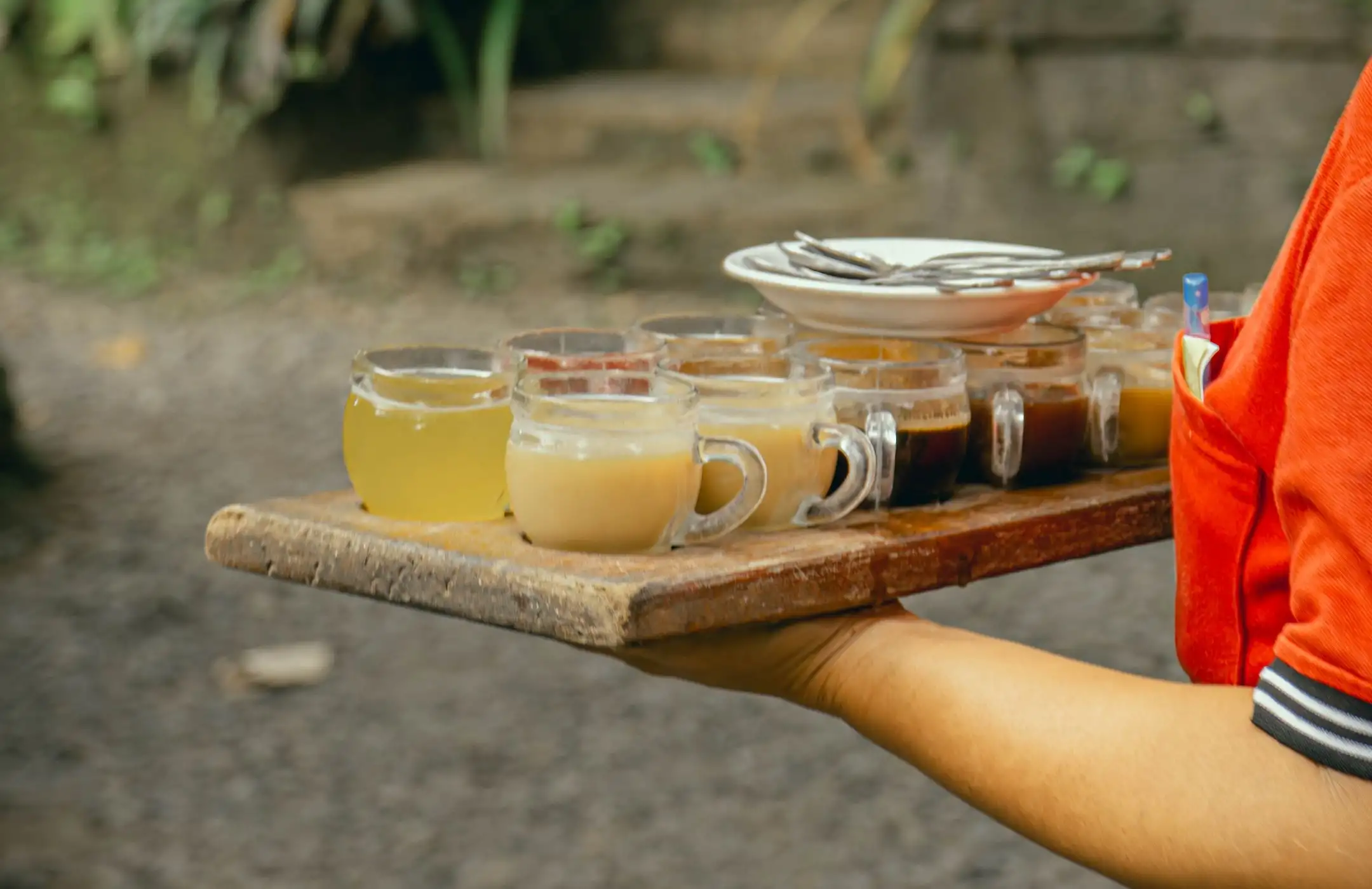
A Bali holiday usually comes with a long list of experiences. Beaches, temples, waterfalls, rice terraces, local food, and photo spots may all compete for space in the same itinerary.
But what about a place where you can explore Bali’s famous luwak coffee and add a playful swing moment without moving to another destination?
That is the idea behind a visit to Jambe Asri Agrotourism.
The journey begins with coffee. Visitors enter a tropical plantation, learn how luwak coffee is prepared, meet the luwak, and join a guided tasting session. After exploring the main coffee experience, the Bali swing adds a fun photo opportunity surrounded by greenery.
Coffee remains the reason for the journey. The swing gives the visit an extra moment worth capturing.
Here is how coffee first and swing after can turn one plantation stop into a memorable part of your Bali itinerary.
Begin With the Plantation Atmosphere
Your visit begins in a natural plantation environment.
Tropical greenery, coffee-related details, and earthy surroundings immediately create a different mood from Bali’s crowded tourist areas. The setting invites visitors to slow down and become familiar with the place before moving into the coffee process.
This first stage matters because Jambe Asri Agrotourism is not positioned as a swing destination with coffee added on the side. It is a complete luwak coffee Bali experience supported by nature, animals, a photo moment, and local products.
The plantation atmosphere introduces that experience naturally.
Visitors can explore the surroundings, capture plantation details, and prepare for the story behind the coffee. There is no need for advanced coffee knowledge or special equipment. Curiosity is enough.
For couples, families, solo travelers, and small groups, the setting offers a relaxed start. Everyone can follow the visitor journey at a comfortable pace before moving toward the educational part of the experience.
Learn What Makes Luwak Coffee Different
Many travelers recognize the name luwak coffee, but not everyone knows how the process works.
At Jambe Asri Agrotourism, visitors can learn the main stages directly at the plantation. The explanation remains clear and approachable, allowing first-time guests to understand the story without entering a highly technical lesson.
The process begins with ripe coffee cherries. The luwak selects the fruit, while the coffee beans later continue through collection and preparation.
The beans are carefully cleaned, dried, sorted, roasted, and prepared before reaching the guided tasting session.
Understanding these steps adds value to the visit.
Without the process, luwak coffee may feel like another famous product promoted to tourists. Learning how each stage connects turns it into a fuller Bali coffee experience.
Visitors can discover what happens before tasting and why preparation matters. The explanation also creates a stronger connection between the plantation, the luwak, and the final flavors explored later.
Coffee comes first because the process gives every supporting attraction a clear context.
Meet the Luwak Behind the Experience
After learning the main process, visitors can meet the luwak.
This encounter connects the earlier explanation with the animal involved in the coffee story. For many first-time guests, it becomes one of the most memorable moments at Jambe Asri Agrotourism.
The luwak is not included as a random attraction. It is closely connected to the destination’s core experience.
Guests can approach the moment with curiosity, learn about the luwak’s role, and follow the instructions provided at the location. The focus remains on understanding the connection between the animal and the coffee process.
Jambe Asri also offers an owl encounter as an additional visitor moment.
The owl creates visual variety, especially for families and travelers creating holiday content. However, it remains a supporting part of the journey. The central story continues to be luwak coffee, its preparation, and the guided tasting that follows.
This balance helps Jambe Asri feel complete without losing its identity.
Join the Guided Coffee Tasting
The guided tasting is where the coffee journey comes together.
By this stage, visitors have explored the plantation, learned the main preparation process, and met the luwak. They now have enough context to understand why the tasting matters.
A coffee tasting Bali experience does not require expert knowledge.
Guests can focus on aroma, strength, body, and personal preference. Some selections may feel bold or earthy, while others may offer smoother, sweeter, milder, or more aromatic characteristics.
There is no single correct favorite.
Couples can compare their preferences. Families and small groups can discuss which local flavors stand out. Solo travelers can ask questions and learn more about the available selections.
The guided format makes the session informative while keeping the mood relaxed.
It also helps visitors connect the preparation stages with the final result. Instead of approaching the coffee as an isolated product, guests understand the journey that came before it.
This is the heart of the Jambe Asri experience.
The plantation creates the setting. The process provides knowledge. The luwak encounter adds context. The tasting brings everything together.
Only after this journey does the swing enter the story.
Add a Bali Swing Moment After Coffee
Once the main coffee experience is complete, the Bali swing adds a playful change of pace.
Visitors can move from learning and tasting to a photo-friendly moment surrounded by plantation greenery.
The swing works as an extra activity rather than the primary attraction. It gives guests another reason to spend time at Jambe Asri without distracting from the luwak coffee journey.
For couples, it can become a fun holiday memory. Families and groups can take turns and capture relaxed moments. Solo travelers and content creators can add movement to their Bali travel footage.
The plantation background also helps the swing feel connected to the destination.
It is not a random photo structure placed far from the main experience. It becomes part of a sequence that begins with coffee and ends with a lighter visual moment.
This is what makes the “coffee first, swing after” angle work.
Visitors do not need to choose between a local coffee experience and a Bali photo spot. They can enjoy both in one destination while keeping the coffee journey at the center.
Create More Than One Type of Travel Content
Jambe Asri Agrotourism offers several visual moments within one visit.
Travelers can capture plantation scenery, close-up coffee preparation, interactions during the guided tasting, the luwak encounter, the owl, the Bali swing, and local product displays.
This variety can help create a travel reel with a clear story.
The content can begin with an arrival through the tropical plantation. It can continue with preparation details, the luwak encounter, and the tasting moment. The swing can provide an energetic transition before the video ends at the local shop.
The result feels more complete than a collection of unrelated clips.
Coffee gives the content its main narrative. The swing adds personality and movement. The plantation connects every scene visually.
For travelers looking for a Bali photo spot, this combination offers more than one background or activity. It creates a full visitor journey that can be remembered even after the photos are posted.
Explore the Local Shop Before Leaving
After the swing, the local shop provides a natural final stop.
Visitors can explore local coffee, herbal tea, spices, aromatherapy, Bali souvenirs, and other products connected to Jambe Asri Agrotourism.
The shop feels more relevant after the tasting because guests already have some understanding of the local selections.
You may choose coffee connected to a flavor you enjoyed earlier. Herbal tea or spices may become practical gifts. Aromatherapy or a souvenir can serve as a reminder of the plantation experience.
This final part also extends the journey beyond the location.
Visitors leave with more than photos from the swing. They may bring home a local product, new knowledge about luwak coffee, or a stronger understanding of Bali’s plantation experiences.
The shop completes the sequence naturally:
Plantation first, coffee process next, luwak encounter, guided tasting, swing moment, and local products before departure.
Why This Combination Works for a Bali Itinerary
A good Bali itinerary needs variety, but adding too many separate destinations can make a holiday feel rushed.
Jambe Asri combines several experiences in one place:
- Tropical plantation atmosphere
- Luwak coffee process
- Luwak encounter
- Guided coffee tasting
- Owl encounter
- Bali swing
- Local shop
Each part has a clear role.
The coffee journey provides education and local value. The plantation creates a natural setting. The animals add context and visual interest. The swing offers a playful photo moment. The shop gives visitors something connected to the experience to bring home.
This makes Jambe Asri suitable for coffee lovers, couples, families, solo travelers, small groups, and tourists searching for a relaxed attraction in Bali.
The visit can fit between larger destinations or become part of a day focused on nature and local experiences.
Coffee First Makes the Swing More Meaningful
A swing photo can be fun anywhere, but it becomes more memorable when it is part of a complete journey.
At Jambe Asri Agrotourism, visitors do not arrive only for one photo. They explore the plantation, learn something new, understand the luwak coffee process, meet the luwak, and join a guided tasting before enjoying the swing.
The coffee experience creates the story.
The swing becomes the playful ending.
This structure keeps the destination focused while still giving travelers the visual moment they may want from a Bali holiday.
Start with Bali’s famous luwak coffee, continue with a plantation swing moment, and complete the journey at the local shop.
Plan your Jambe Asri Agrotourism experience at www.jambeasriagrotourism.com


