
A Signature Luwak Coffee Journey for Curious Travelers

Some travelers go to Bali for famous landmarks.
Others travel because they are curious.
They want to understand how local products are made, discover stories behind everyday traditions, learn something new, and return home knowing more than when they arrived.
For this kind of traveler, a signature luwak coffee experience can add something different to a Bali itinerary.
At Jambe Asri Agrotourism, the journey is built around more than simply exploring the final coffee. Visitors can learn the coffee process, meet the luwak connected to the story, join a guided tasting, spend time in a tropical plantation setting, and explore local products before continuing their trip.
It is a simple way for curious travelers Bali to connect learning, nature, local coffee culture, and travel in one destination.
Here is how the journey unfolds.
Curiosity Starts With a Simple Question

Why is luwak coffee different?
That question is often what brings first-time travelers into the experience.
Many visitors recognize the name before arriving in Bali, but they may know very little about how the coffee is prepared or why the luwak is involved.
Learning the answer gives the experience its value.
Luwak coffee begins with ripe coffee cherries. The luwak selects and eats the fruit, while the coffee beans later continue through several preparation stages.
The beans are collected and carefully prepared before moving through cleaning, drying, sorting, roasting, and final preparation.
For a curious traveler, this is where the experience becomes interesting.
Instead of approaching luwak coffee only as a famous local product, you begin to understand the journey behind it.
That shift from trying something to understanding something is what makes the visit feel more meaningful.
Learn the Coffee Process Without a Technical Lesson

You do not need to know anything about coffee production before visiting Jambe Asri.
The coffee process can be understood through a simple sequence.
Coffee cherries begin the journey.
The luwak becomes part of the distinctive process.
The beans continue through collection and careful cleaning.
Drying prepares them for the following stages.
Sorting helps prepare the coffee for roasting.
Roasting develops characteristics that later become part of the tasting experience.
Final preparation then leads toward the guided tasting session.
For travelers who enjoy learning, this progression gives each stage a clear purpose.
You are not expected to memorize technical details. The idea is to understand enough of the process to appreciate what happens later.
This is what makes a Bali coffee plantation visit different from simply finding coffee somewhere during your holiday.
The plantation gives the process context.
You are learning inside an environment connected to the experience itself.
Meet the Luwak Behind the Story

The luwak encounter is an important part of the journey.
After learning how the animal connects with the process, meeting the luwak helps make the earlier explanation easier to understand.
This moment is directly linked to Jambe Asri’s core experience.
The luwak is not included simply as another attraction. Its role is connected to the coffee story visitors have already started exploring.
Guests can approach the encounter with curiosity and respect while following the guidance available at the destination.
For travelers who enjoy discovering how local experiences work, this stage brings the story closer.
The coffee process is no longer something explained only through words. You can connect the information with the animal that gives luwak coffee its distinctive identity.
Jambe Asri also includes an owl encounter as an additional visitor experience.
The owl creates another memorable moment, particularly for families, couples, and content creators, while the luwak coffee journey remains the central focus.
Guided Tasting Turns Learning Into Experience
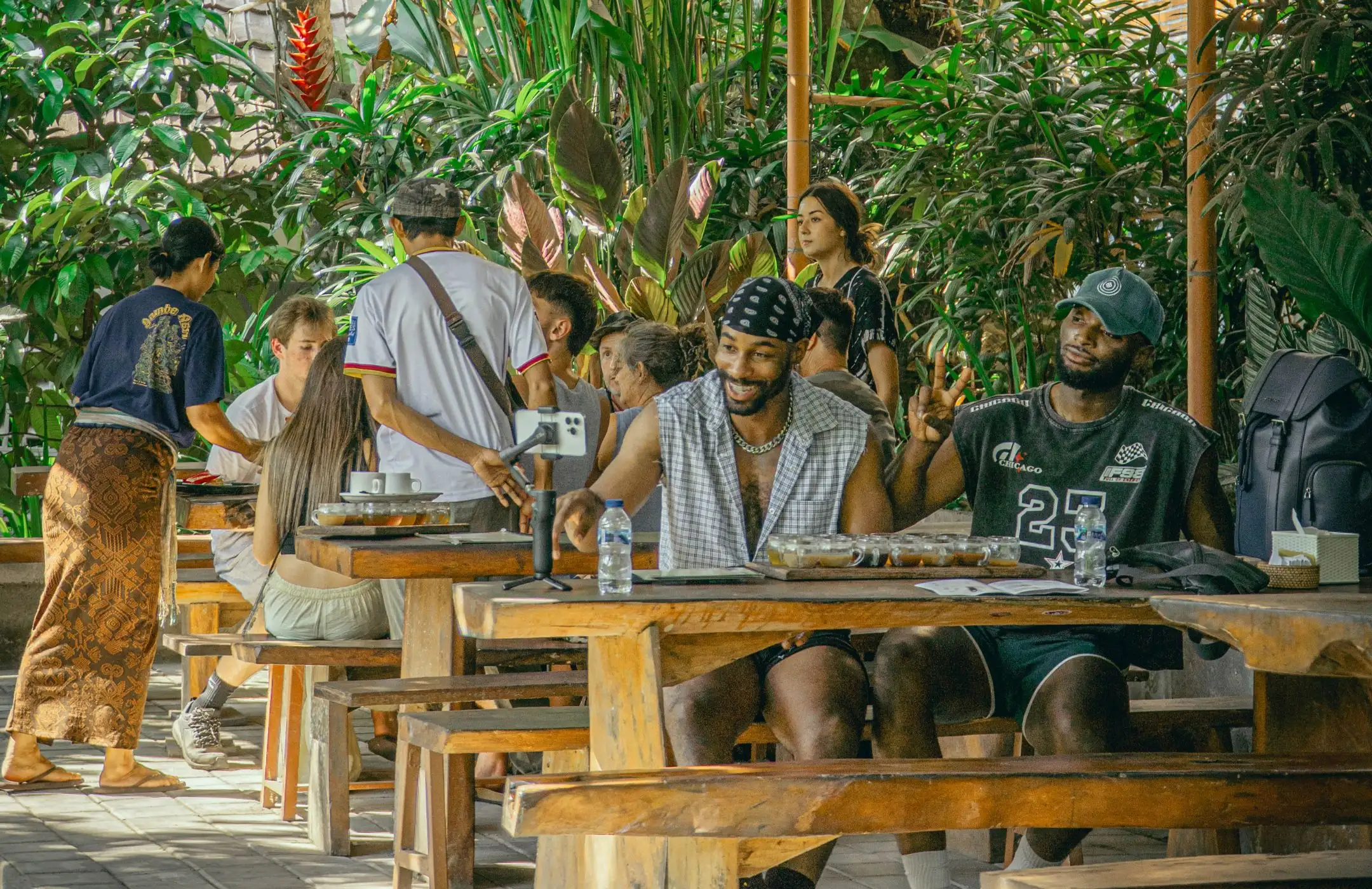
The guided tasting is where the earlier parts of the journey begin to connect.
By this point, you already understand more about the coffee cherries, the luwak, and the preparation stages.
That context changes the way you approach tasting.
Instead of focusing only on whether you like a particular selection, you can explore aroma, strength, body, and overall character while thinking about the journey that came before it.
There is no need for professional coffee vocabulary.
Some selections may feel stronger or earthier.
Others may feel smoother, lighter, sweeter, or more aromatic.
Personal preference matters.
A guided tasting gives travelers the freedom to compare and decide what they enjoy without assuming that everyone should choose the same favorite.
For curious travelers, this is often one of the most interesting parts of the experience because learning becomes something practical.
You have followed the process.
Now you can connect it with flavor.
Discover Local Coffee Culture Through Experience

One of the most rewarding parts of travel is learning through participation.
You can read about local coffee before your trip, but being inside a plantation gives the information another layer.
At Jambe Asri, coffee becomes part of a wider local experience.
Visitors learn how the process works, explore local flavors, spend time in a tropical plantation environment, and discover products connected to the destination.
This offers a different perspective on Bali.
The island is famous for beaches, temples, waterfalls, and rice terraces, but local agriculture and coffee culture can also become part of the travel story.
For visitors interested in Bali travel ideas beyond the usual sightseeing route, this creates useful variety.
A coffee plantation stop does not need to replace major Bali attractions.
It adds another type of experience between them.
Enjoy the Plantation as Part of the Journey
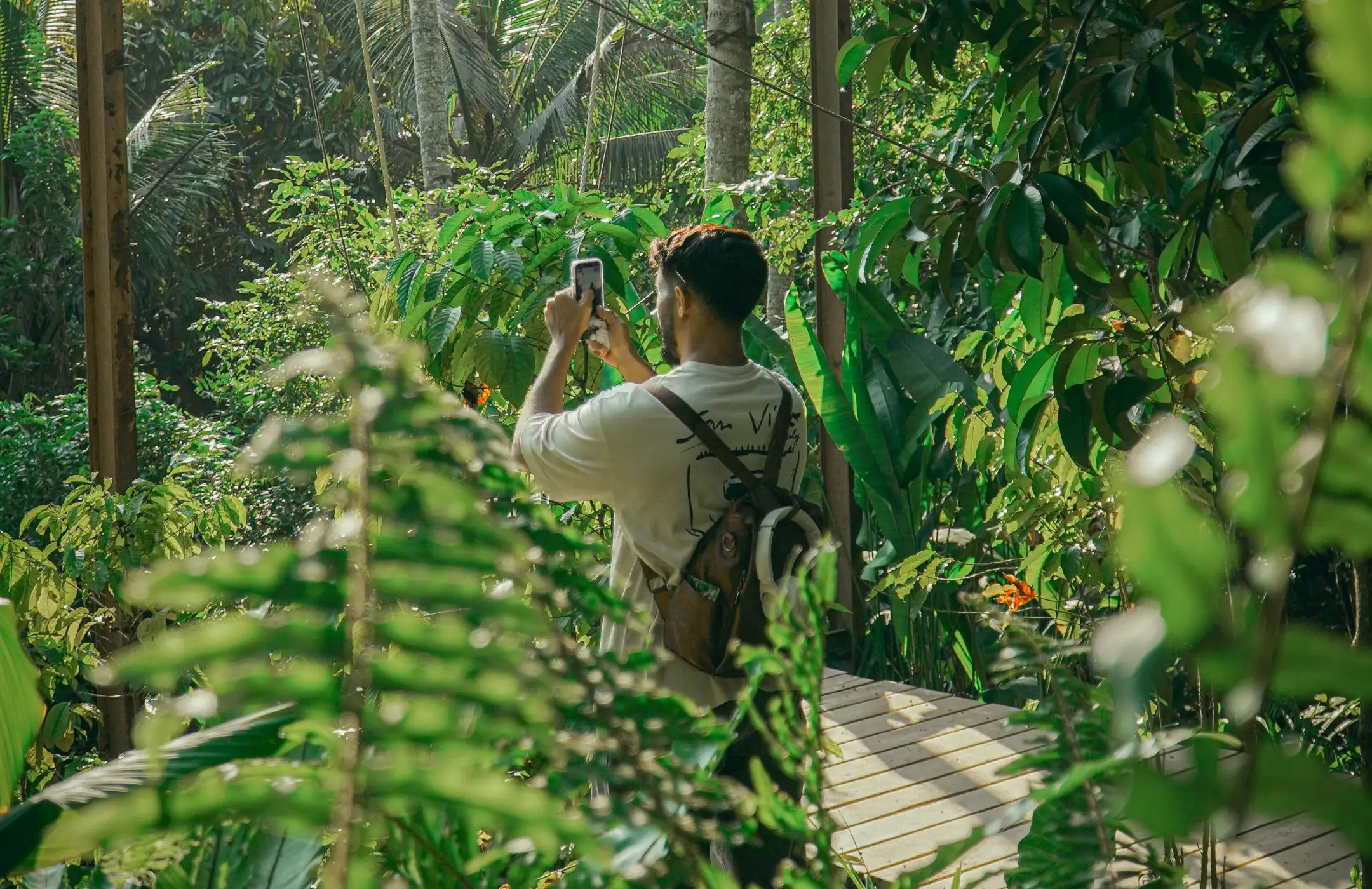
The plantation setting plays an important role in how the visit feels.
Natural greenery and tropical surroundings create a calmer environment where travelers can learn without rushing from one activity to another.
The plantation is not simply a background.
It supports the luwak coffee story.
Visitors can connect the process with a natural setting rather than experiencing coffee only as a finished retail product.
For couples, the atmosphere can offer a slower moment between busy travel plans.
Families can enjoy an educational experience that remains easy to follow.
Solo travelers can spend time asking questions and exploring the destination at their own pace.
For travelers who enjoy photography or travel reels, the setting also provides natural visual moments through coffee preparation, greenery, animal encounters, tasting, and local products.
Continue the Experience Beyond Coffee
The luwak coffee journey remains the main reason to visit, but Jambe Asri includes several supporting experiences.
Visitors can meet the owl and enjoy a Bali swing moment within the plantation environment.
The swing adds a playful photo opportunity after the learning and tasting stages.
It is designed as an additional activity rather than the main identity of Jambe Asri.
This distinction keeps the visitor journey focused.
Coffee comes first.
The process creates understanding.
The luwak adds context.
The guided tasting connects knowledge with flavor.
The supporting activities then make the destination feel more complete.
Explore Local Products at the End of the Journey
The local shop provides a natural final stage.
After learning about the coffee process and exploring local flavors, visitors can browse products such as local coffee, herbal tea, spices, aromatherapy, and Bali souvenirs.
This shopping moment has more context because it follows the learning and tasting experience.
You may already have an idea of which local selections interest you.
You may also find something suitable to bring home for friends or family.
For curious travelers, the shop can become another opportunity to explore products connected to Bali rather than simply purchasing a generic souvenir.
The overall journey therefore moves naturally from learning to experience and finally to local products.
Why Curious Travelers May Enjoy Jambe Asri
Jambe Asri works particularly well for travelers who want to understand something rather than only pass through a destination.
The experience can appeal to people who enjoy:
- Learning how local products are prepared
- Exploring coffee and local flavors
- Discovering the story behind luwak coffee
- Spending time in a natural plantation
- Asking questions during a guided experience
- Finding travel activities beyond major landmarks
- Exploring local products before leaving
The activity remains light and easy to include in a wider itinerary.
You do not need advanced knowledge, special equipment, or a full day dedicated to the experience.
Curiosity is enough.
About Jambe Asri Agrotourism
Jambe Asri Agrotourism is a Bali agrotourism destination built around a complete signature luwak coffee journey.
The destination focuses on helping visitors understand coffee through process, guided tasting, the luwak encounter, plantation atmosphere, and local products rather than presenting coffee only as a finished item.
A Jambe Asri visit can begin within the tropical plantation environment, where guests become familiar with the natural setting surrounding the experience.
The journey then moves toward coffee education.
Visitors can learn about coffee cherries, understand how the luwak becomes part of the process, and follow the main preparation stages leading toward tasting.
The educational approach remains simple and traveler-friendly.
First-time visitors can understand the core story without needing specialist coffee knowledge, while coffee enthusiasts can pay closer attention to the details that interest them.
The luwak encounter gives the process direct context.
After learning why the animal is connected to this particular coffee journey, guests can meet the luwak as part of the wider experience.
A guided tasting session then brings the learning stages together. Visitors can explore local flavors and compare personal preferences with a clearer understanding of what happens beforehand.
Jambe Asri also provides supporting activities that add variety without changing the main positioning.
An owl encounter offers an additional animal moment.
A Bali swing provides a plantation photo opportunity.
The tropical atmosphere helps create a natural and relaxed setting throughout the visit.
The local shop completes the customer journey with products such as local coffee, herbal tea, spices, aromatherapy, and Bali souvenirs.
Together, these elements create a clear experience flow:
Plantation atmosphere → Coffee process → Meet the luwak → Guided tasting → Supporting experiences → Local shop
This structure makes Jambe Asri suitable for international and domestic travelers, couples, families, solo visitors, small groups, coffee enthusiasts, and people searching for a more local addition to their Bali itinerary.
Its strongest distinction is not simply the number of activities available.
It is how those activities remain connected to one clear core: the signature luwak coffee experience.
The plantation provides context.
The process creates understanding.
The luwak connects directly to the story.
The guided tasting turns information into a personal experience.
The owl, swing, and local shop add extra moments while keeping coffee at the center of the visit.
For travelers who enjoy asking questions, discovering new processes, and returning home with more knowledge about the places they visit, Jambe Asri offers an approachable way to explore another side of Bali.
Follow Your Curiosity to Jambe Asri
Some of the most memorable travel experiences begin with a simple question.
How is this made?
Why is it different?
What happens before the tasting?
At Jambe Asri Agrotourism, those questions can become part of your Bali journey.
Learn the coffee process, meet the luwak, explore a guided tasting, enjoy the plantation environment, and discover local products within one connected destination.
Experience the signature luwak coffee journey at www.jambeasriagrotourism.com.


