
5 Things Tourists Should Know Before Trying Luwak Coffee in Bali
Trying luwak coffee in Bali is often high on a traveler’s list, especially for those who want to experience something connected to the island’s local coffee culture. Yet first-time visitors may arrive without knowing what makes it different, how the process works, or what usually happens during a tasting session.
A luwak coffee experience is not only about flavor. The real value comes from understanding the story behind the coffee, learning how it is prepared, meeting the luwak, and exploring the plantation environment where the experience takes place.
Before adding a luwak coffee Bali stop to your itinerary, here are five important things to know.
1. Luwak Coffee Begins With a Distinctive Natural Process
Luwak coffee is known for a preparation process that involves the luwak, a small animal found in parts of Southeast Asia. The luwak selects and eats ripe coffee cherries. During digestion, the outer fruit is broken down, while the coffee beans pass through the animal.
The beans are then collected, cleaned carefully, dried, processed, roasted, and prepared for tasting. This process is what gives luwak coffee its unusual story and makes it one of the most talked-about coffee experiences in Bali.
For tourists, understanding this process is important because it changes the way the experience feels. Instead of arriving only to try a famous product, you arrive knowing that every stage matters, from the coffee cherry and the luwak to cleaning, drying, roasting, and final preparation.
A good coffee plantation Bali visit should make this process easy to understand. The explanation does not need to be overly technical. What matters is that visitors can follow the journey clearly and connect the tasting moment with the work that happens beforehand.
At Jambe Asri Agrotourism, the coffee-making process is positioned as an important part of the visit. This helps first-time guests understand why luwak coffee is different before joining the tasting session.
2. The Process Matters as Much as the Final Flavor
Many travelers focus only on what luwak coffee tastes like. However, the preparation process is a major part of the value.
Cleaning must be handled properly. Drying affects the condition of the beans. Roasting influences aroma, body, and flavor. Preparation also shapes the final tasting experience. Each stage can change the result, which is why learning the process adds more meaning to a Bali coffee tasting.
This is also why two luwak coffee experiences may not feel exactly the same. Different locations may use different coffee varieties, roasting approaches, preparation methods, and tasting formats.
When visiting a plantation, pay attention to how the process is explained. Ask simple questions such as:
- How are the beans cleaned?
- How are they dried?
- Is the roasting done on-site?
- What other local coffee varieties are available?
- What flavors should visitors notice during the tasting?
These questions help you understand enough of the process to appreciate the tasting and turn a quick stop into a more memorable Bali travel experience.
3. A Guided Tasting Session Helps You Understand the Differences
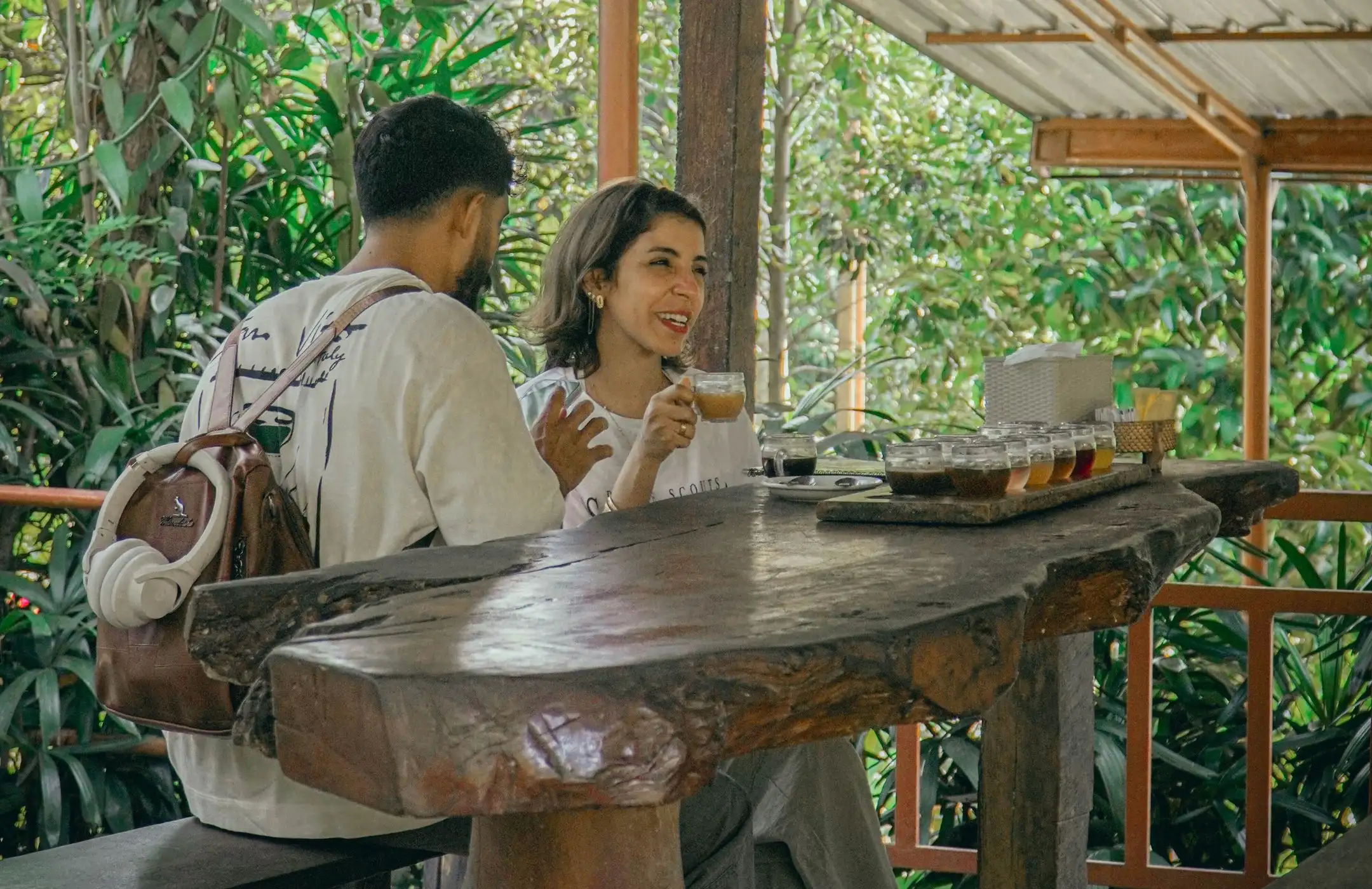
A guided tasting session is one of the easiest ways to explore Bali local coffee. Instead of trying one option without context, visitors are introduced to different aromas, flavor profiles, preparation styles, or local products with a clearer explanation.
During a Bali coffee tasting, take your time. Notice the aroma first, then the flavor, body, and finish. Some options may feel smooth, earthy, strong, mild, sweet, or slightly bitter. Personal preference matters, so there is no single “correct” reaction.
The value of guided tasting comes from comparison. When several local flavors are presented together, it becomes easier to recognize what makes each one different. You may discover that you prefer a certain roast, a herbal tea, or another local specialty available at the plantation.
At Jambe Asri Agrotourism, the guided tasting session forms part of a broader visitor journey. Guests can learn the process first, meet the luwak, explore the plantation atmosphere, and then connect that knowledge with the tasting moment.
This sequence makes the luwak coffee experience easier to understand, especially for tourists trying it for the first time.
4. Meeting the Luwak Should Add Context to the Experience
Many tourists are curious about the animal behind luwak coffee. Meeting the luwak can make the process feel more real because visitors can connect the coffee story with the animal involved.
However, responsible travelers should also pay attention to how animals are treated. Avoid making assumptions based only on marketing claims. Instead, observe the environment and ask polite questions about care, feeding, housing, and handling.
A tourism experience involving animals should never rely only on photo opportunities. The animal encounter should help visitors understand the role of the luwak while maintaining respectful boundaries.
This is especially important because not every luwak coffee producer follows the same practices. Visitors can make better choices by asking where the coffee comes from, how the luwak are cared for, and how the operation manages its coffee process.
At Jambe Asri Agrotourism, the luwak encounter is one part of the complete destination experience. Visitors may also encounter an owl, enjoy the tropical plantation setting, and continue to other activities within the location.
The key point is that meeting the luwak should support the educational side of the visit. It should help you understand the coffee story rather than distract from it.
5. The Best Luwak Coffee Experience Includes More Than Tasting
For many travelers, a luwak coffee Bali visit works best when it becomes part of a wider itinerary rather than a single product stop.
A complete plantation visit can include:
- Learning the coffee-making process
- Joining a guided tasting session
- Meeting the luwak
- Exploring the plantation atmosphere
- Enjoying a photo moment on the swing
- Meeting the owl
- Browsing local coffee, herbal tea, spices, aromatherapy, and Bali souvenirs
The combination works for coffee lovers, couples, families, content creators, and travelers looking for local souvenirs.
Jambe Asri Agrotourism brings these elements together in one destination. The core remains the luwak coffee experience, while the plantation, animals, swing, and local shop make the visit feel more complete.
This also makes Jambe Asri easier to add to a Bali itinerary. It can work as a relaxed stop between other destinations, especially for travelers who want a local experience without choosing an activity that requires heavy physical effort.
How to Prepare for Your First Bali Coffee Tasting
A little preparation can help you enjoy the visit more.
Start by checking the location and planning enough time for the full experience. Arriving in a rush may cause you to miss the process explanation or move too quickly through the tasting.
Bring your phone or camera, but stay present during the guided explanation and ask questions when something is unclear.
Avoid arriving with the expectation that every coffee flavor will match your usual preference. A tasting session is about exploration. You may enjoy the luwak coffee, another Bali local coffee, a herbal tea, or a product you had not considered before.
It is also helpful to leave room in your itinerary to explore the local shop. Coffee, tea, spices, aromatherapy, and souvenirs can become meaningful reminders of the experience.
Is Luwak Coffee Worth Trying in Bali?
For curious travelers, luwak coffee can be worth trying when the visit includes context, education, and a guided experience.
The value is not based only on the coffee itself. It comes from learning how the process works, understanding the role of the luwak, comparing local flavors, exploring the plantation, and discovering products connected to Bali’s local culture.
A well-planned coffee plantation Bali stop can offer a slower and more grounded side of the island. It gives visitors an alternative to beaches, temples, and busy attractions while remaining easy to include in a day trip.
The best approach is to arrive curious, ask questions, pay attention to the process, and enjoy each part of the journey at your own pace.
Plan Your Luwak Coffee Experience at Jambe Asri
Jambe Asri Agrotourism offers tourists a complete luwak coffee experience in Bali with coffee process learning, guided tasting, a luwak encounter, an owl encounter, plantation atmosphere, a swing, and a local shop in one destination.
For first-time visitors, it is a practical way to understand Bali’s famous luwak coffee while enjoying several local experiences during one visit.
Add this coffee stop to your Bali itinerary and explore the complete Jambe Asri experience at www.jambeasriagrotourism.com


