
5 Moments Tourists Love at Jambe Asri Agrotourism
A memorable Bali trip is often built from small moments. It could be learning something new, meeting an animal connected to a local tradition, discovering a new flavor, or finding a photo spot that becomes part of your holiday story.
Jambe Asri Agrotourism brings several of these moments together in one destination.
Visitors can explore a tropical coffee plantation, learn about the process behind luwak coffee Bali is widely known for, join a guided tasting, meet the luwak and owl, enjoy a Bali swing, and browse local products before continuing their trip.
The experience is relaxed, easy to follow, and suitable for couples, families, solo travelers, small groups, and coffee lovers. Each part of the visit connects to the next, creating a complete journey rather than a collection of unrelated attractions.
Here are five moments tourists often enjoy during a visit to Jambe Asri Agrotourism.
1. Entering the Tropical Plantation Atmosphere
The first memorable moment begins as soon as visitors enter the plantation area.
The surroundings offer a different atmosphere from Bali’s busy roads, beach areas, and crowded attractions. Tropical plants, natural textures, coffee details, and green scenery introduce guests to a calmer side of the island.
This arrival matters because it sets the pace for the entire visit.
Jambe Asri Agrotourism is not designed as a quick retail stop where tourists arrive only to buy coffee. The plantation atmosphere helps guests understand that they are entering a complete Bali coffee experience.
Visitors can take their time, explore the area, and begin learning how local coffee connects with the surrounding environment. The natural setting also gives couples, families, and content creators plenty of opportunities to capture authentic travel moments.
For travelers searching for a Bali photo spot, the plantation provides a more natural background than a staged indoor location. Green plants, coffee-related details, and visitor interactions can all become part of a travel album or short-form video.
The plantation also creates an emotional pause in a busy Bali itinerary. After visiting temples, waterfalls, markets, or major tourist areas, spending time in a tropical coffee setting can make the day feel more balanced.
It is a simple moment, but it immediately makes the destination feel different.
2. Joining a Guided Tasting Session
The guided tasting is one of the main highlights at Jambe Asri Agrotourism.
Before reaching this stage, visitors can learn about the coffee process and understand how the luwak becomes part of the story. This context makes the tasting more meaningful because guests are not exploring local flavors without knowing what happened earlier.
During the guided tasting, visitors can focus on aroma, strength, character, and personal preference. Different selections may feel stronger, smoother, earthier, milder, sweeter, or more aromatic.
There is no need to understand professional coffee terminology. The experience is designed to remain accessible for first-time visitors as well as coffee enthusiasts.
The guided format also makes the moment more interactive. Guests can ask questions, compare preferences with their travel partners, and discover which local selections they enjoy most.
For couples, it can become a fun conversation during the visit. Families and small groups can compare their favorite flavors. Solo travelers can use the session to learn more about Bali local coffee in a comfortable setting.
A guided tasting also connects naturally with the local shop later in the journey. After exploring several flavors, visitors have more context when choosing coffee, herbal tea, or other local products to bring home.
This is why the tasting remains central to the Jambe Asri experience. The plantation, animals, swing, and shop add variety, but the luwak coffee journey gives the destination its strongest identity.
3. Meeting the Luwak and Owl
Meeting the animals at Jambe Asri is another moment that attracts visitor attention.
The luwak is directly connected to the coffee process. After learning how luwak coffee is prepared, guests can meet the animal involved and connect the earlier explanation with a real encounter.
For many first-time travelers, this is the moment when the coffee story becomes easier to understand.
The luwak is not simply an additional attraction. It is part of the core experience. Meeting the animal helps visitors understand why luwak coffee differs from regular coffee preparation and why the process has become widely discussed among travelers in Bali.
Guests should approach the encounter respectfully and follow any instructions provided at the location. The focus should remain on learning about the animal and its connection to the coffee journey.
Jambe Asri also has an owl encounter as a supporting experience.
The owl adds another visual and memorable moment to the visit, especially for families, couples, and tourists creating Bali travel content. It brings variety without taking attention away from the destination’s main luwak coffee positioning.
Combining the luwak and owl in one visit also makes Jambe Asri feel more complete. Visitors can move from coffee education to animal encounters without traveling to another location.
For travel reels or photo collections, this section of the visit can create a strong transition between the coffee process, plantation atmosphere, and guided tasting.
The result feels like a connected visitor journey rather than a standard coffee stop.
4. Capturing a Bali Swing Moment
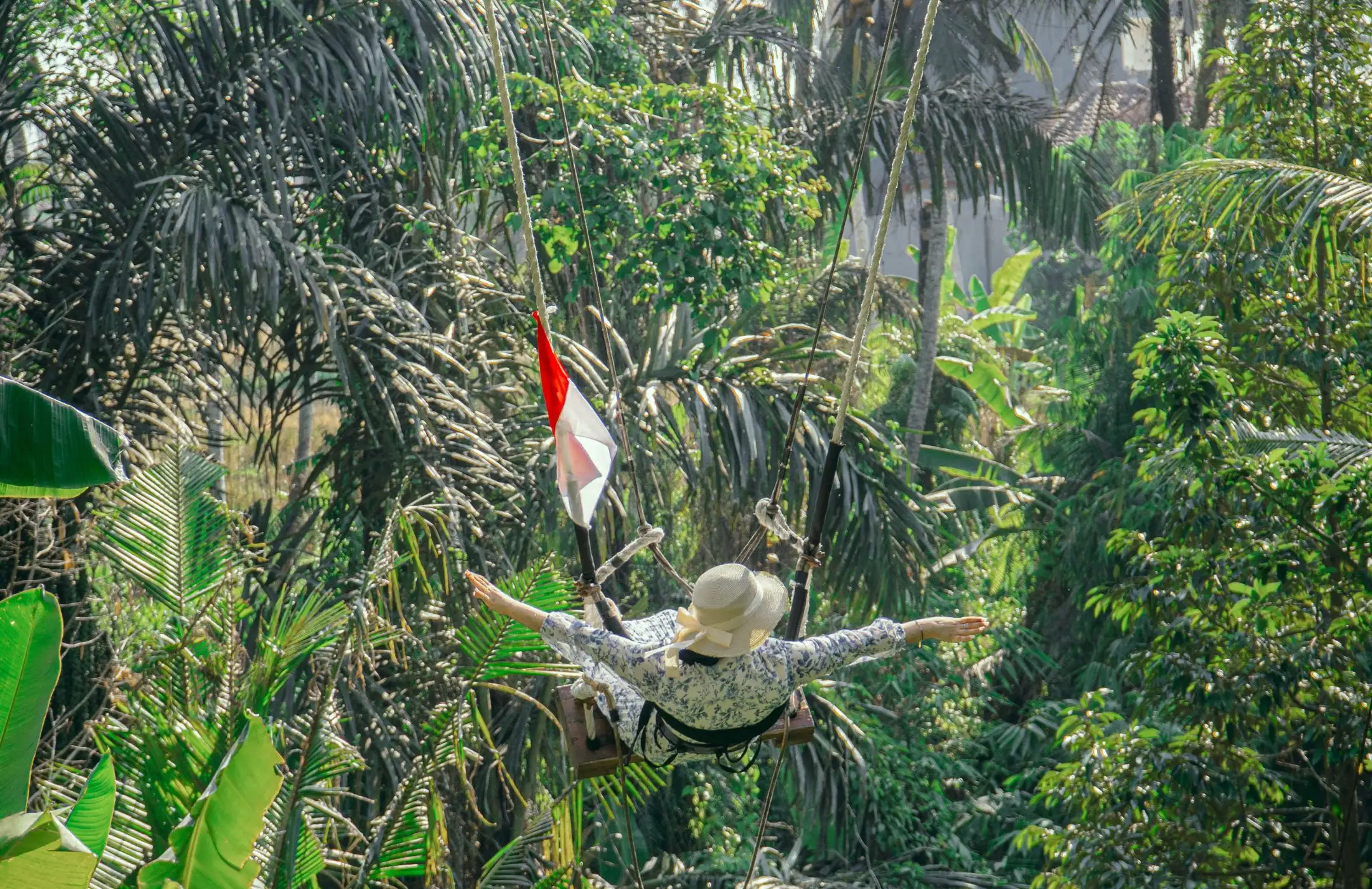
After learning about coffee and meeting the animals, the Bali swing adds a fun change of pace.
The swing is positioned as a supporting attraction at Jambe Asri Agrotourism. It is not the main reason to visit, but it gives guests a chance to capture a photo or short video surrounded by plantation scenery.
This makes it ideal for travelers who want a Bali swing moment without planning an entire day around a separate swing destination.
Couples can capture a playful holiday photo. Families and groups can take turns while enjoying the surroundings. Solo travelers and content creators can add a dynamic visual to their Bali travel reels.
The plantation background helps the swing feel connected to the rest of the experience. It does not appear as an isolated attraction. Instead, it becomes part of a journey that already includes the coffee process, guided tasting, luwak encounter, and natural atmosphere.
For tourists searching for a Bali photo spot, this combination offers more value than visiting a location with only one visual attraction.
Visitors can capture several types of content during one stop:
- Coffee preparation details
- Plantation scenery
- Guided tasting moments
- Luwak and owl encounters
- Swing footage
- Local product displays
The swing adds energy to the visit while the luwak coffee experience remains the main story.
5. Finding Local Products at the Shop
The local shop creates a natural final moment before visitors leave Jambe Asri Agrotourism.
After learning the coffee process and joining the guided tasting, guests can explore products connected to the experience. These may include local coffee, herbal tea, spices, aromatherapy, Bali souvenirs, and other local selections.
Shopping at the end of the visit feels different from entering a general souvenir store.
Visitors already understand more about the coffee journey. They may have discovered a flavor they enjoyed during the tasting or found a local product that would suit a friend or family member.
This context makes the shopping experience feel more personal.
Coffee lovers may choose something connected to the tasting session. Travelers who prefer non-coffee products can explore herbal tea, spices, or aromatherapy. Others may select a souvenir as a reminder of their time at the plantation.
The local shop also extends the Jambe Asri experience beyond the destination itself. Guests can bring home a product connected to the place they visited, the process they learned, and the flavors they explored.
For tourists, this creates a satisfying ending to the journey.
They arrive for a Bali coffee experience, learn about luwak coffee, meet the animals, enjoy the plantation, add a swing moment, and leave with a local product or meaningful memory.
Why Tourists Enjoy the Complete Jambe Asri Experience
Each favorite moment at Jambe Asri Agrotourism offers something different.
The plantation provides a calm tropical setting. The guided tasting introduces local flavors. The luwak and owl encounters add education and visual interest. The Bali swing creates a playful photo moment. The local shop gives visitors an opportunity to bring part of the experience home.
Together, these elements make Jambe Asri more than a standard coffee plantation.
The destination works well for travelers who want several light activities in one location. It is suitable for people who enjoy coffee, nature, animals, photography, local products, or relaxed Bali activities.
The experience can also fit naturally into a wider itinerary. It offers a change from beaches, temples, waterfalls, and other major Bali tourist spots without requiring a physically demanding activity.
Most importantly, every supporting attraction connects back to a clear core: the complete luwak coffee experience.
Add These Moments to Your Bali Trip
A visit to Jambe Asri Agrotourism can begin with a simple plan to explore local coffee and turn into several memorable travel moments.
You can enter a tropical plantation, learn the coffee process, join a guided tasting, meet the luwak and owl, capture a Bali swing moment, and explore local products in one destination.
Whether you are visiting Bali as a couple, family, solo traveler, or small group, Jambe Asri offers an experience that is easy to enjoy and different from the usual tourist route.
Discover the complete luwak coffee journey and plan your visit at www.jambeasriagrotourism.com


